
Smart Climate Control Without Complexity
Explore smart thermostats and ventilation systems that you can actually understand. We break down the setup process and explain which features actually matter for comfort.
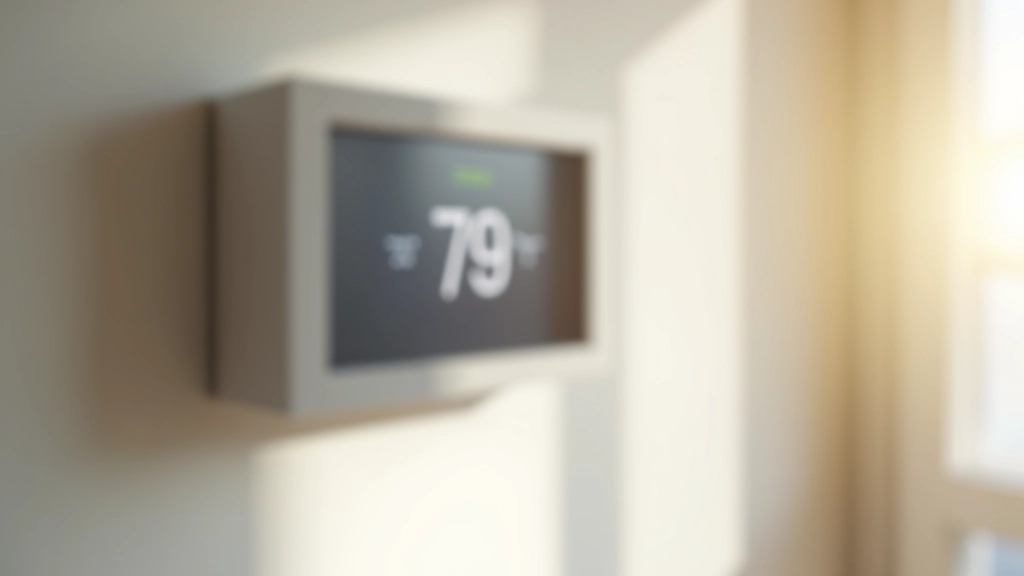
Why Smart Climate Control Matters for Your Home
If you've walked past smart thermostats at the hardware store, you've probably wondered if they're actually worth it. The marketing makes them sound complicated — all those apps and Wi-Fi connections and algorithms. But here's the truth: the right smart climate system doesn't need to be confusing. It's about finding one that fits how you actually live, not forcing you to learn a bunch of technology just to stay comfortable.
Most people in their 40s and 60s aren't looking for the flashiest features. You want your home to be warm in winter, cool in summer, and you don't want to think about it constantly. A good smart thermostat handles that automatically while letting you adjust things when you need to — whether that's through a simple wall display, a phone, or just by telling it what you prefer.

The Features That Actually Make a Difference
Not every button on a smart thermostat matters. These are the ones you'll actually use and appreciate.
Precise Temperature Control
Set your home to exactly 72 degrees instead of guessing between "cool" and "warm." You'll notice the difference in comfort immediately, and it helps your system run more efficiently.
Weekly Scheduling
Program different temperatures for weekdays versus weekends, or mornings versus evenings. Set it once and forget it — no more manual adjustments every single day.
Simple Mobile Control
Adjust your home's temperature from anywhere. Forgot to change settings before leaving? No problem. Coming home early? You can warm things up before you arrive.
Energy Usage Insights
See how much your heating and cooling actually cost. Most systems show you weekly or monthly breakdowns so you understand where your money's going.
Humidity Control
Manages moisture in the air, not just temperature. This matters more than you'd think — the right humidity makes a room feel more comfortable at the same temperature.
Smart Alerts
Get notified if your system isn't heating or cooling properly, or if the temperature drops unexpectedly. Catch problems early instead of realizing your house is freezing.
Installation Doesn't Have to Be Intimidating
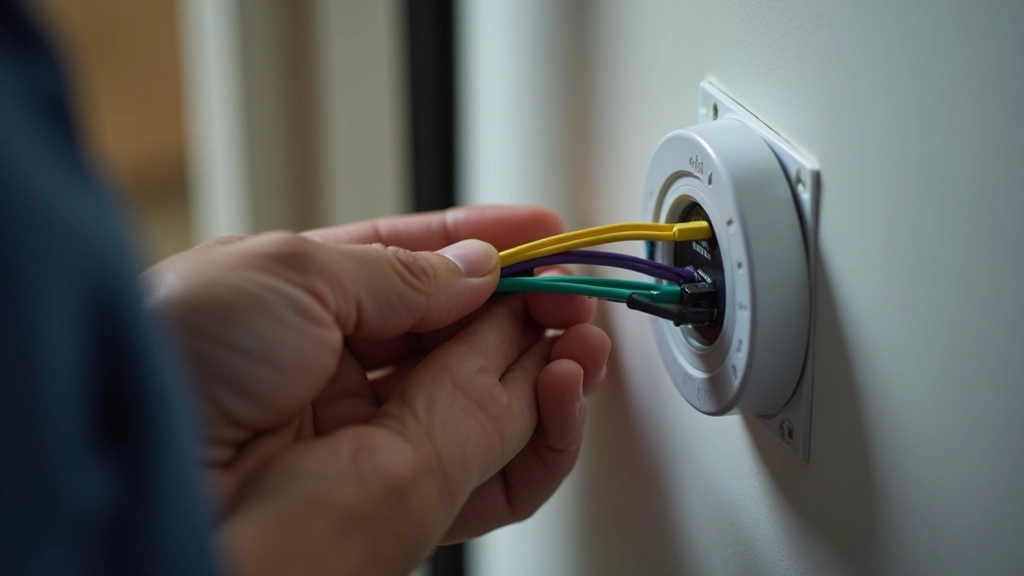
Most smart thermostats aren't actually that hard to install. You're replacing your existing thermostat, not rewiring your house. The wires connecting your old system? They'll work with the new one. It's usually just four or five wires that need to transfer over.
Here's what a typical installation looks like: Turn off your power at the breaker. Take a photo of your current wiring — seriously, do this. Disconnect the old thermostat. Label each wire as you remove it. Connect those same wires to your new thermostat in the same spots. Turn power back on. That's it. Most people finish in 15 to 20 minutes.
If you're not comfortable doing it yourself, that's completely fine. Any HVAC technician can install one in under an hour. Many retailers offer installation services too, sometimes for around $100 to $150. It's worth it for peace of mind.
Ventilation Systems That Improve Air Quality
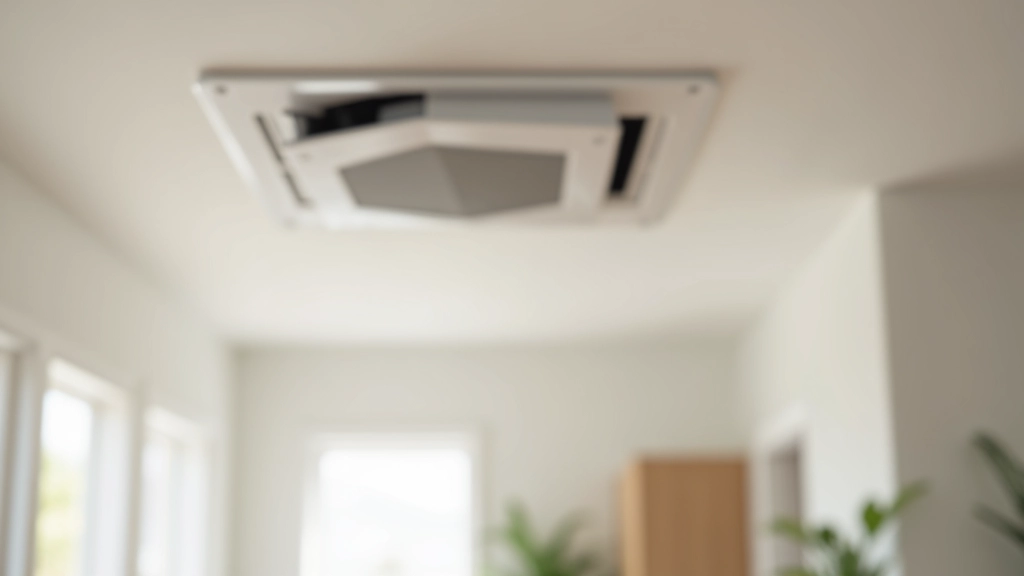
Temperature is only half the story. What you're breathing matters just as much. A smart ventilation system exchanges stale indoor air with fresh outdoor air automatically, but it's not as simple as just opening a window. It balances air pressure, filters incoming air, and recovers heat or cool air so you're not wasting energy.
Energy Recovery Ventilation (ERV) systems are particularly good for homes where you like to keep doors and windows closed. The system pulls out humid indoor air and brings in dry outdoor air, exchanging the temperature between them. In winter, you're not losing your heat. In summer, you're not losing your air conditioning. You're getting fresh air without the energy penalty.
Most modern systems run on timers or sensors. You can set them to run for 30 minutes every few hours, or they automatically kick in when indoor humidity gets too high. Some people run them just in the evenings when outdoor temperatures are cooler. The point is flexibility — you control when and how much fresh air enters your home.
Getting the Most Out of Your System
Once you've got everything installed, a few simple practices make everything work better.
Keep Vents Clear
Make sure furniture, curtains, and boxes aren't blocking your heating or cooling vents. Air needs to move freely through your rooms. It sounds obvious, but it's the most common reason systems don't work well.
Check Your Filter Every Month
A clogged filter makes your system work harder and costs you money. Replace it every 1 to 3 months depending on how much dust you have. It's one of the easiest maintenance tasks you can do.
Use Your Schedule Effectively
Don't set the thermostat to the same temperature 24/7. Lower it by 5 to 10 degrees when you're sleeping or away. You'll save 10 to 15 percent on heating and cooling costs without sacrificing comfort.
Monitor Energy Reports
Most smart thermostats show you weekly usage. Look at the patterns. Are certain times using way more energy? You might find you can adjust your schedule slightly and save money.
Seal Air Leaks Around Windows and Doors
Your smart system can't do its job if cold or hot air is escaping. Weather stripping and caulk are cheap and make a real difference in how efficiently your heating and cooling works.
Smart Thermostat vs. Standard Thermostat
Standard Thermostat
- Manual adjustments only
- No remote control capability
- No energy tracking
- Limited temperature control
- No scheduling features
- Lower upfront cost
Smart Thermostat
- Automatic learning and adjustments
- Control from phone or voice commands
- Detailed energy usage reports
- Precise temperature to the degree
- Weekly and daily scheduling
- Pays for itself in energy savings
Most smart thermostats cost between $200 and $400, but you'll typically recover that investment within 1 to 2 years through lower energy bills. Plus, they're just more convenient — you don't have to think about adjusting your temperature constantly.
The Bottom Line on Smart Climate Control
Smart climate control doesn't need to be complicated. You're looking for something that keeps your home comfortable without requiring you to become a tech expert. A good smart thermostat does that — it learns your preferences, adjusts automatically, and lets you make changes when you need to without any confusing menus or settings.
Start with a thermostat. Once you're comfortable with that, consider adding ventilation if air quality is a concern. You don't need everything at once. Build your system gradually, and you'll end up with something that genuinely improves your daily life without adding stress or complexity to it.
Ready to explore your options? Visit your local hardware store and ask to see a few models. Play with them. See which interface makes sense to you. The best smart thermostat is the one you'll actually use.
Information Disclaimer
This article provides general information about smart thermostats and climate control systems. It's not intended as professional installation advice or technical guidance. Installation requirements vary by home, HVAC system type, and local electrical codes. If you're uncertain about any aspect of installation, we recommend consulting with a licensed HVAC technician or electrician. Always follow manufacturer instructions and local building codes. Energy savings vary based on your climate, usage patterns, and existing system efficiency.