

Organizing Your Home So You Can Find What You Need
Practical systems for kitchens, closets, and storage areas that reduce frustration. These aren't trendy — they're designed to actually make daily life easier and faster.
Why Organization Actually Matters
Let's be honest — you don't need a perfect home. You need a home where you can actually find things without tearing apart three drawers. Where you know exactly what's in your pantry without staring at the shelves for five minutes. That's what this is about.
The best organizational systems aren't complicated. They're straightforward, they work with how you actually live, and they don't require buying expensive containers or spending a weekend reorganizing everything. We're talking about real changes that stick because they make sense.
If you've ever wasted time looking for something you know you have, or bought duplicate items because you forgot what was already in the cabinet, you're not alone. Most people over 40 have years of accumulated stuff that's become harder to manage. That's the starting point.
What You'll Learn
- How to assess what you actually use and what's just taking up space
- Simple labeling systems that don't feel like busy work
- Kitchen and pantry organization that saves time daily
- Closet strategies that make getting dressed easier
- Storage solutions that fit your lifestyle, not Instagram
Start With Honest Assessment
Before you organize anything, you need to know what you're working with. This isn't about guilt or judgment — it's about reality. Walk through your kitchen, your closets, your storage areas. Look at what's actually being used versus what's just sitting there.
Most homes have about 40% of their stuff that rarely gets touched. Kitchen gadgets you thought you'd use. Clothes that don't fit quite right. Duplicates you forgot you owned. That's normal. The key is identifying these items so you can make a real decision about them.
You don't need to throw everything away. Sometimes it's genuinely useful to have backup items or things you use seasonally. The difference is knowing they're there and why you're keeping them. It's the mystery items that cause the chaos.
The Three-Category Method
Sort items into three clear groups: use regularly (at least monthly), use occasionally (seasonally or several times a year), and rarely use. This simple framework shows you what deserves prime real estate in your home and what can go somewhere less accessible.

Kitchen and Pantry Systems That Actually Work
Your kitchen is probably the busiest area in your home. You're in and out multiple times a day, grabbing things, cooking, storing. An organized kitchen saves time every single day — sometimes 10-15 minutes just from not searching for ingredients or tools.
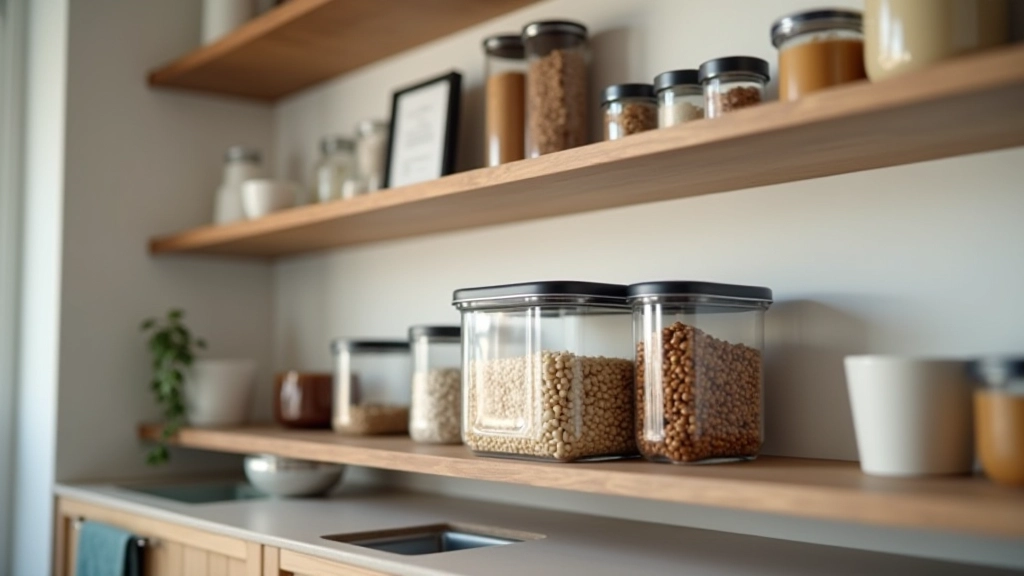
Start with your pantry. Keep frequently used items at eye level. Baking supplies, everyday spices, cooking oils — these should be accessible without reaching or bending. Less-used items can go higher or lower. Heavy items belong on lower shelves for safety and ease.
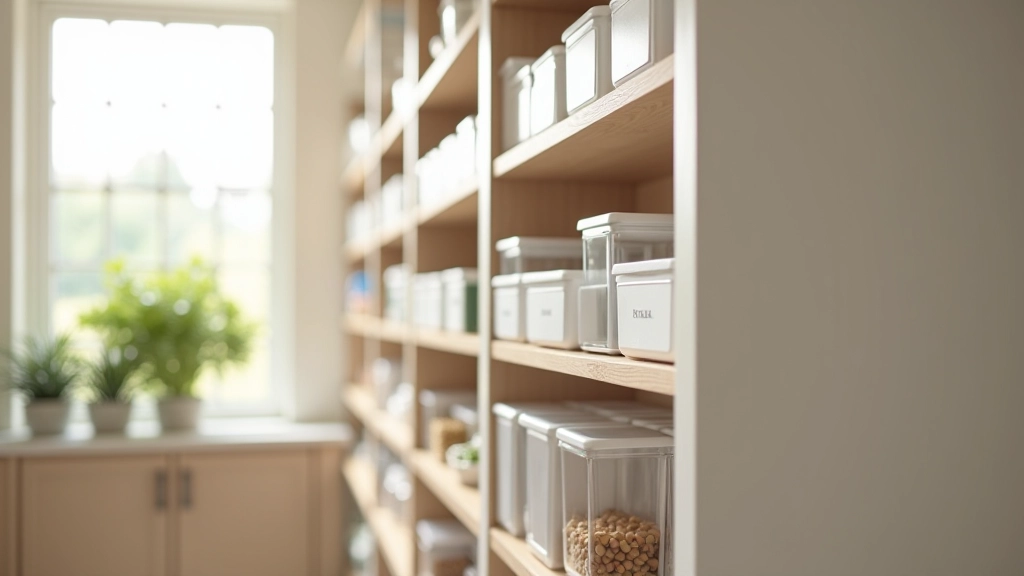
Use clear containers for dry goods. You don't need expensive matching sets — even basic clear plastic or glass containers work. The advantage is you can see what you have and when you're running low. Label them with masking tape and a permanent marker. Simple and effective.
For spices, group by type: baking spices together, cooking spices together, specialty items separate. Alphabetical sorting looks nice but doesn't match how you actually cook. Grouping by use is faster in real life.
Closet Organization Without Complexity
A well-organized closet changes how you get dressed. Instead of hunting through a sea of clothes, you can see what you have and put together an outfit in seconds. This isn't about minimalism or owning just 20 items — it's about knowing what you own and where it is.
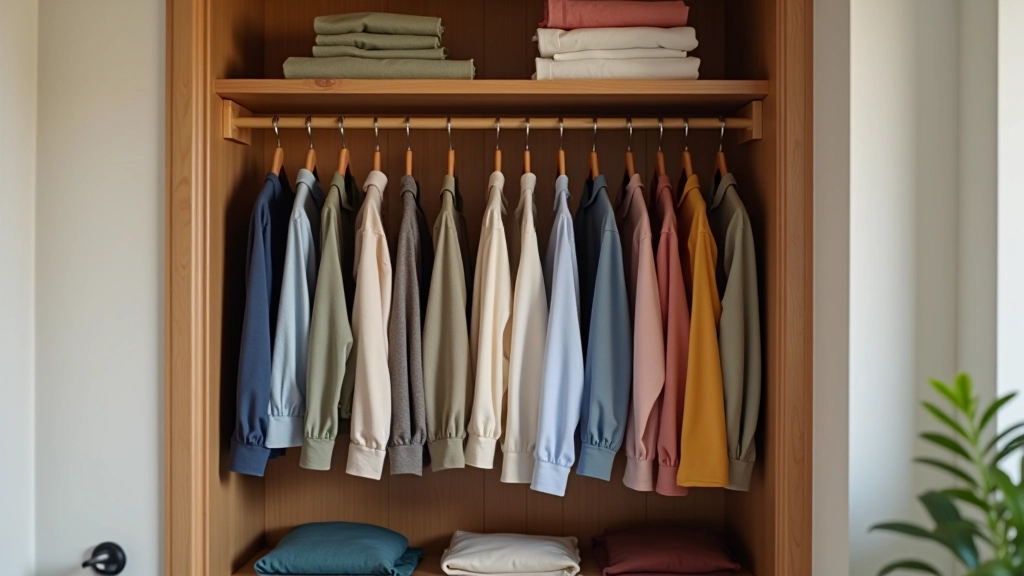
Group clothes by category: tops together, bottoms together, dresses together, outerwear in its own section. Within each category, organize by color. It sounds basic, but this system means you'll naturally see all your options. You won't buy another navy shirt because you forgot you had three of them.
Keep seasonal items separate. Winter coats don't need to take up valuable closet space in June. A clear storage container in the attic or basement works fine. Label it clearly so you know what's inside without opening it.
Use shelf dividers to keep folded items from toppling over. This prevents you from having to refold everything every time you grab one shirt. It takes one minute to install but saves frustration daily.
General Storage Principles That Work Everywhere
Certain principles apply to any storage situation, whether it's a hall closet, basement shelves, or a garage corner. These aren't revolutionary — they're just common sense applied consistently.
Label everything clearly. This matters more than you'd think. In six months, you won't remember what's in that unlabeled box. You'll either open it to check (wasting time) or avoid it altogether (wasting space). A label takes 30 seconds and prevents both problems.
Keep frequently accessed items at eye level or slightly below. Items you rarely use can go higher or lower. This reduces the physical strain of constantly bending or reaching. For anyone managing arthritis or back issues, this makes a real difference.
Use uniform containers when possible. You don't need everything to match, but similar-sized containers stack better and look less chaotic. This also maximizes shelf space.
Keep a "donate" box in an accessible place. When you find items you don't use, put them directly in the box instead of leaving them sitting around. When it's full, take it to donation. This prevents reorganizing the same unused items repeatedly.
The Real Goal: Daily Life Gets Easier
Good organization isn't about having a beautiful home or impressing anyone. It's about saving yourself time and frustration every single day. It's about knowing you have something and being able to find it in seconds instead of minutes. It's about not buying duplicate items you forgot you owned.
These systems work because they're simple and they match how people actually live. You're not maintaining some perfect system — you're using a practical framework that makes sense. After a few weeks, it becomes automatic. You'll wonder why you didn't do this years ago.
Start with one area. Don't try to organize your entire home this weekend. Pick your kitchen or your closet, apply these principles, and see how it feels. Once you experience how much easier that space is to navigate, you'll be motivated to continue with other areas.
Ready to Simplify Your Space?
Take the first step by assessing one area of your home this week. You don't need special products or complicated systems — just clarity about what you have and a plan for where it goes.
Explore More Organization Tips
Disclaimer
This article provides general guidance on home organization strategies. Every home and living situation is different. What works for one person may need adjustment for another. If you have specific concerns about accessibility, physical limitations, or significant storage challenges, consider consulting with a professional organizer or home design specialist who can assess your individual situation. The suggestions here are educational and based on common practices — they're not a substitute for personalized advice that takes your specific needs into account.