Making Your Home More Accessible Without Major Renovations
Simple modifications that improve safety and independence. From grab bars to lighting upgrades, these changes make a real difference in daily comfort and confidence.
Why Accessibility Matters at Home
Your home should work for you, not against you. We're not talking about dramatic renovations or expensive construction projects. Most people don't realize how many simple, affordable changes can transform the way you move through your space. It's about removing friction from everyday activities — whether that's getting out of bed, navigating stairs, or reaching items in the kitchen.
The good news? You don't need a contractor or a massive budget. We've identified the modifications that make the biggest difference for people in their 40s and 60s, and most can be installed in a weekend with basic tools. These aren't just about aging in place — they're about living with more confidence and independence right now.
Bathroom Modifications: Safety First
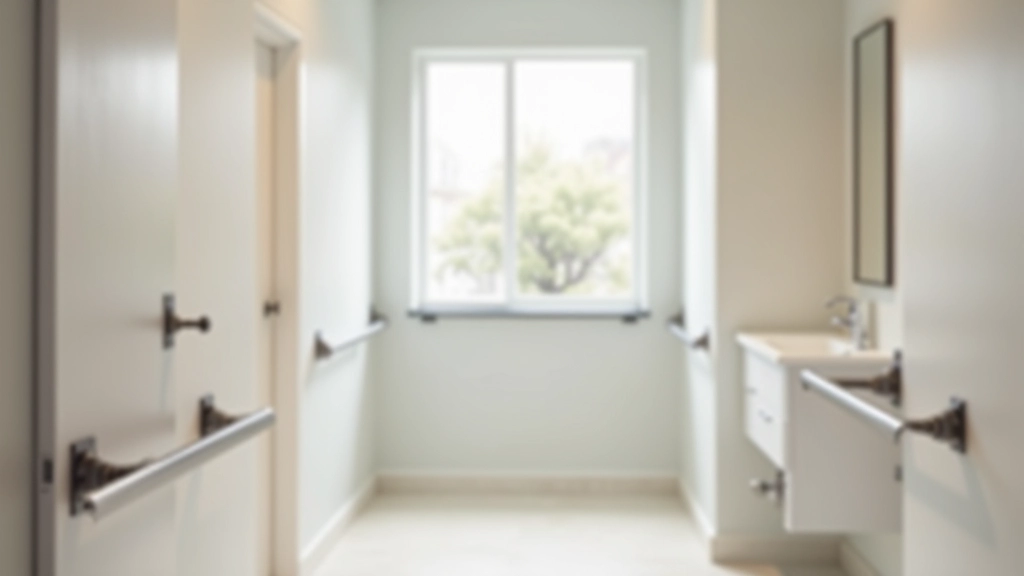
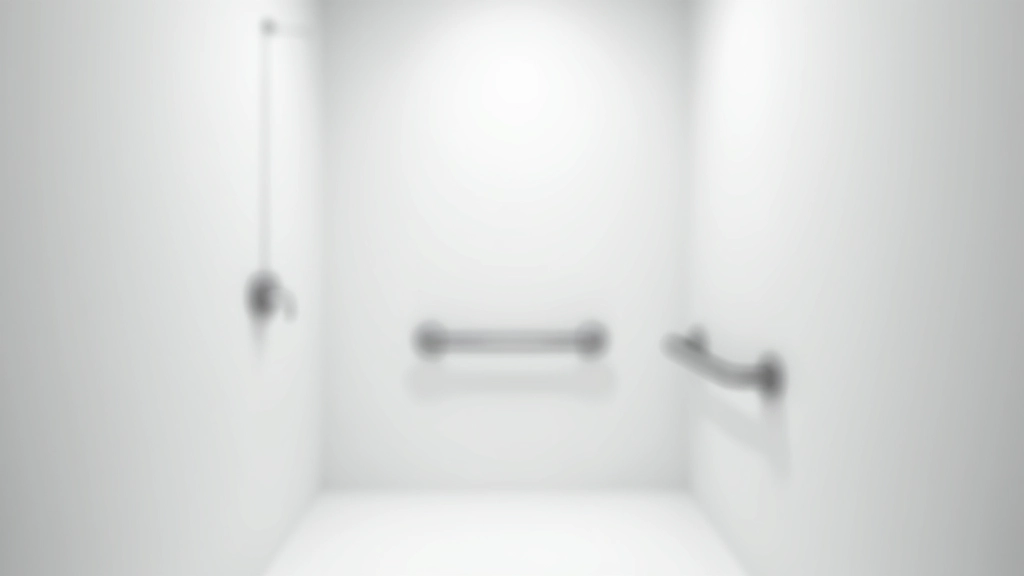
The bathroom is where most household accidents happen. Wet floors, slippery surfaces, and awkward fixtures create real hazards. But you don't need to gut the room. Start with grab bars — they're cheap (usually $20-60 each), take an hour to install, and they're genuinely life-changing. Mount them at 34 inches high near the toilet and 36 inches near the shower entrance.
A shower chair costs under $50 and removes the balancing act from bathing. Pair it with a handheld showerhead (another $30-40 install) and you've eliminated two major pain points. Non-slip mats for the tub are obvious but they work — replace them yearly since they degrade. If you're looking at a bigger investment, a walk-in tub or accessible shower takes a weekend and costs $2,000-4,000, but you're avoiding falls.
- Grab bars at 34-36 inches high
- Non-slip mats throughout wet areas
- Handheld showerhead with adjustable height
- Shower chair or bench
- Toilet grab bars on both sides
- Motion-sensor nightlight for midnight trips
Stairs, Hallways, and Movement Zones
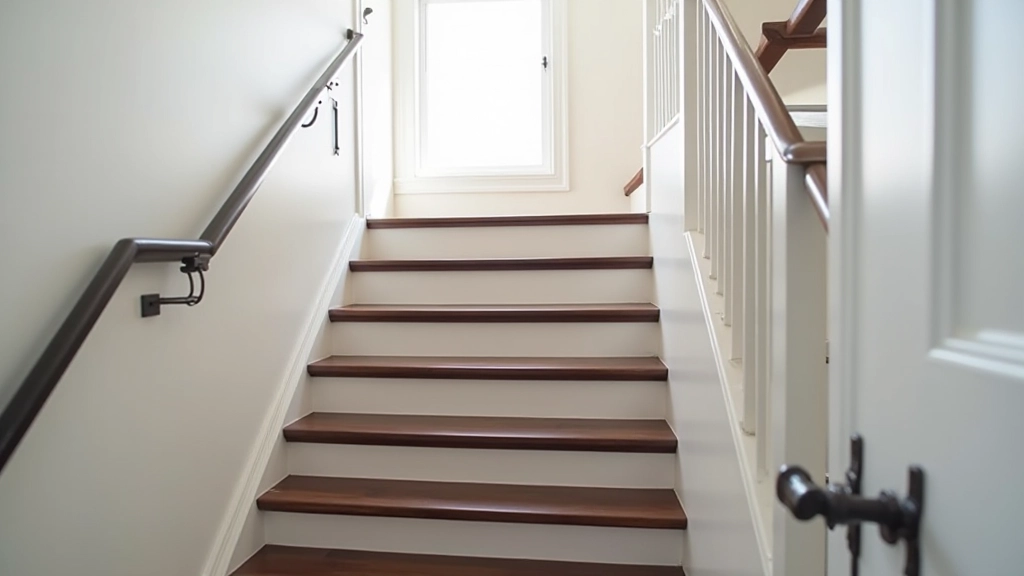
Stairs don't need to disappear — they need to be negotiated safely. A good handrail is essential. If you've only got one side, add the other. You're looking at $200-400 for materials and installation. The return? Confidence on every trip up and down. Paint or tape the edge of each step in a contrasting color — white tape on dark stairs, dark tape on light stairs. This takes 30 minutes and costs $15.
Hallways should be clear. That means moving that console table that's been narrowing your walkway, and it definitely means good lighting. Motion-sensor LED fixtures are cheap ($20-40 each) and they eliminate the fumbling for light switches. Install them at the top and bottom of stairs, in hallways, and outside bedroom doors. Remove throw rugs — they're tripping hazards disguised as decor.
Doorways matter too. If you're struggling with heavy interior doors, install door closers with slower-close mechanisms. They cost about $30-50 and make a huge difference if you've got mobility issues or limited grip strength.
Kitchen Organization and Reach
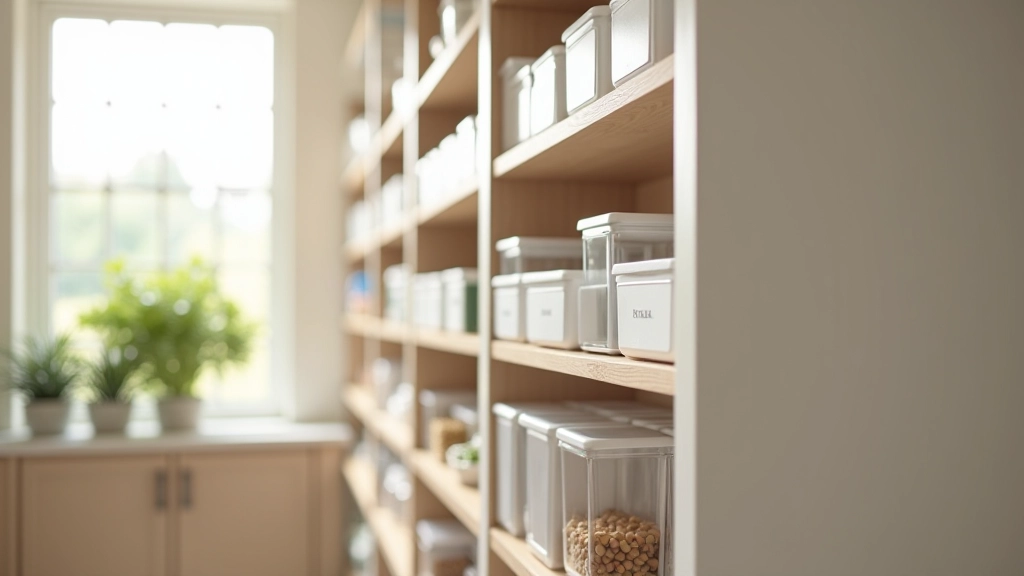
The kitchen is where you spend real time, so making it work for your body matters. You don't need new cabinets. You need better organization. Bring frequently-used items down from high shelves — your everyday plates, glasses, and cooking tools should be at waist to eye level. Deep drawers with pull-out organizers ($30-50 per drawer) let you see what's actually in there without reaching to the back.
Counter space is gold. If your counters are cluttered, you've got no room to work safely. Clear the appliances you actually use daily; store the rest. Install pull-out shelves in lower cabinets ($40-100) so you're not bending and reaching into dark spaces. A step stool with handrails ($60-80) is safer than climbing on chairs if you need something high up.
Quick Win: Install a swing-out corner cabinet organizer. They cost $50-100 and make accessing corner cabinets about 500% easier. You'll actually use that dead corner space.
Lighting That Actually Works
Bad lighting creates hazards. You trip when you can't see clearly, and you strain when you're squinting. Upgrade to LED bulbs everywhere — they're bright, they last forever, and they cost basically nothing now. Go for "warm white" (3000K) in bedrooms and living rooms, and "neutral white" (4000K) in kitchens and bathrooms where you need clarity.
Three-way switches are underrated. If you're walking up stairs in darkness, you want to turn on the light at the top before you get there. Install three-way switches on staircases and hallways ($50-100 per location). Motion-sensor lights in hallways and bathrooms eliminate the shuffle-in-darkness problem entirely.
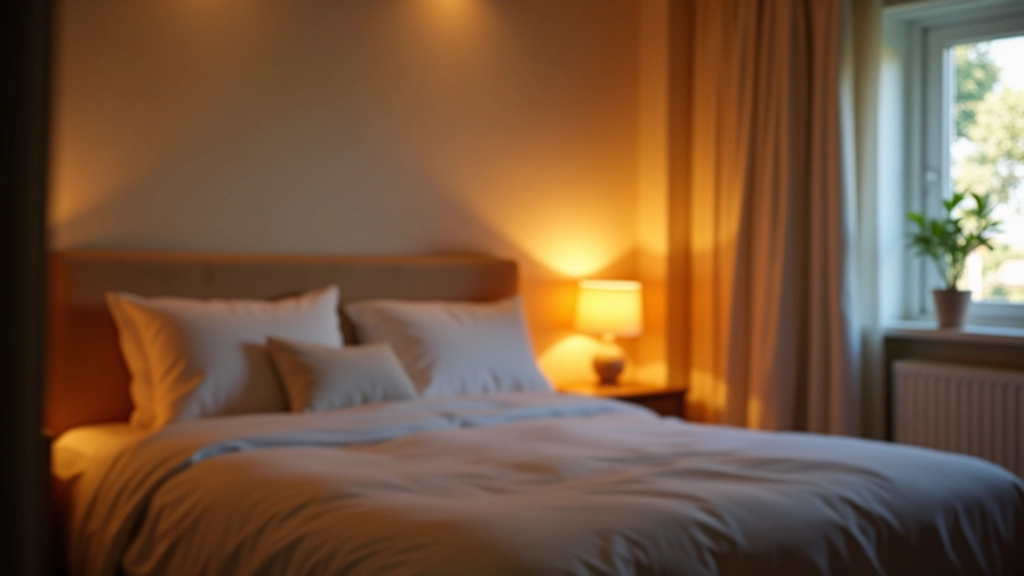
Don't forget bedside lamps with touch controls. No fumbling for a switch at 2 AM — just tap the base and it's on. They're $20-40 and honestly, they're worth it just for convenience. Add a nightlight in your bedroom and bathroom so you can navigate safely without turning on full lights.
Flooring That Won't Trip You Up
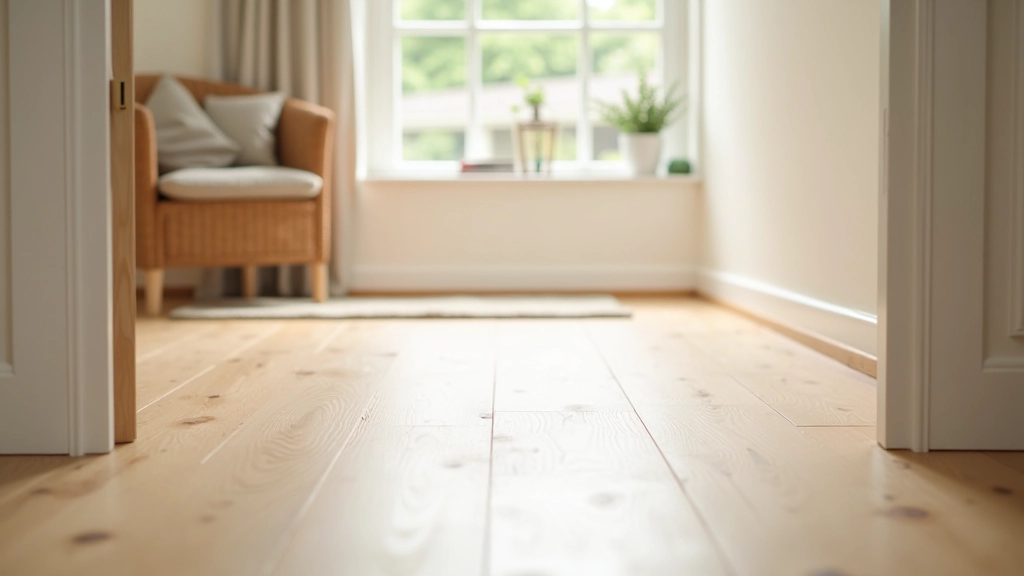
You don't need to replace all your flooring. You need to eliminate trip hazards. If you've got uneven transitions between rooms, that's a problem. Use a low-profile threshold ramp ($30-50) to smooth the transition. Worn carpet with visible seams? That's a tripping hazard. If you're not replacing it, at least use carpet tape to secure loose edges.
Throw rugs look nice but they're dangerous. They slide, they bunch up, and they catch your foot. Remove them. If you want that visual warmth, use large area rugs that are anchored with non-slip pads underneath. The pads cost $10-20 and they make a difference.
Hard flooring like laminate or tile can be slippery, especially in socks. Use non-slip floor coating ($30-60 per area) or non-slip mats in high-traffic zones. Your kitchen and bathroom should have good traction. It's not fancy but it's practical.
Bedroom Comfort and Safety
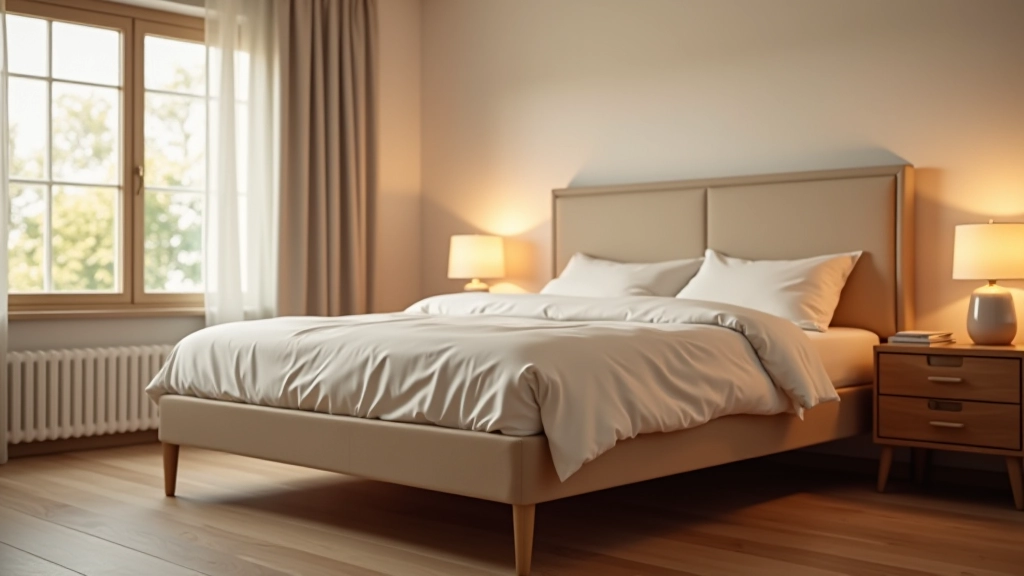
Getting in and out of bed shouldn't be a wrestling match. If your mattress sits too low, raise it. A bed frame with storage underneath gives you height and extra space. You're looking at $100-300 for a good frame. The height should let your feet touch the ground when you're sitting on the edge — roughly 18-20 inches from the floor.
Bedside tables matter. They should be within reach without stretching. A nightstand that's the same height as your mattress makes grabbing your phone, water, or medications automatic. Install a reading lamp with an on/off switch you can reach from bed.
If getting up at night is difficult, bed rails ($80-200) provide something solid to grab. They're not glamorous but they're safe. And clear a path from your bed to the door — no tripping hazards between you and the bathroom at 3 AM.
Entries, Exits, and External Access
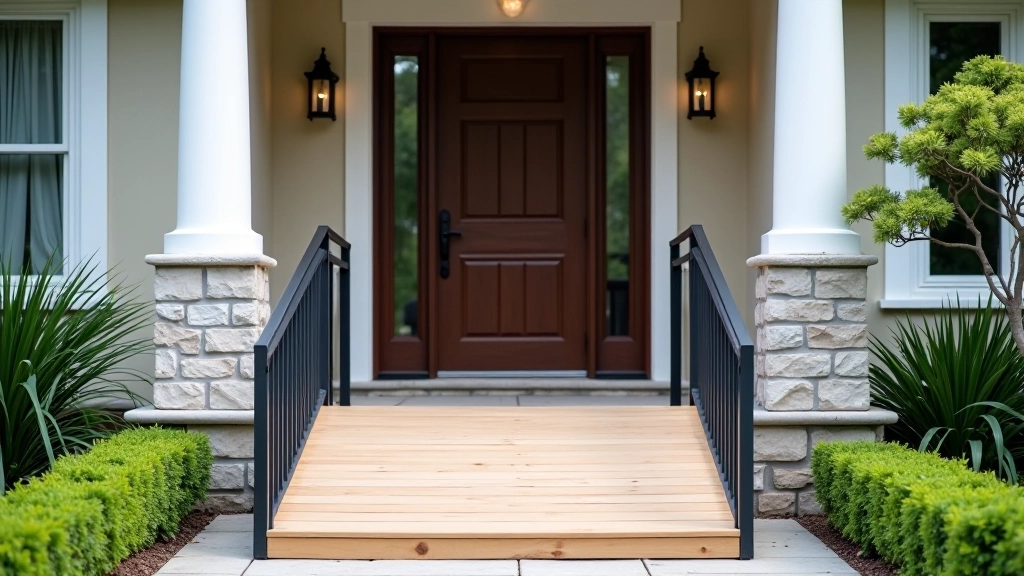
Your front door is where accessibility starts. If you're struggling with stairs at the entrance, a simple ramp ($200-500 for materials) solves it. It doesn't have to be long — even a gentle slope makes a huge difference. Handrails on both sides are essential. Make sure your porch is well-lit with motion sensors so you're not fumbling with keys in darkness.
Door hardware matters. Heavy doors are exhausting. Install a door closer with a slow-close mechanism so doors aren't fighting you. Lever-style handles are easier than round knobs if you've got grip issues. They cost about the same but they're genuinely easier to use.
Create a landing zone inside your door. A small bench or stool ($50-100) gives you somewhere to sit and remove shoes without balancing on one leg. It's functional and it looks intentional.
Making It Happen
Accessibility improvements don't require a complete renovation. They're tactical changes that address real problems in your daily life. Start with the areas where you spend the most time — usually the bathroom, kitchen, and bedroom. Identify the specific moments where you feel unsafe or uncomfortable, and fix those first.
Most modifications cost under $100 each and take a weekend to install. A grab bar here, better lighting there, removing a throw rug, organizing cabinets differently — these aren't big dramatic changes. They're the kind of small decisions that compound into a home that actually works for you.
The real benefit isn't just physical safety, though that matters. It's confidence. When your home supports your movement instead of fighting it, you move through your day differently. You're not constantly managing around hazards. You're not worried about falls. You're just living.
Start Here:
- Walk through your home and identify 3 specific hazards or frustrations
- Prioritize the bathroom and any stairs or transitions
- Budget $200-500 for your first round of changes
- Do the installation yourself or hire a handyperson for 4-6 hours
- Notice how much easier those specific tasks become
Important Note
This article provides general information about home accessibility modifications. Every home is different, and your specific needs may vary based on mobility levels, existing conditions, and local building codes. For significant modifications or if you have mobility challenges, consult with a professional occupational therapist or accessibility specialist who can assess your space. Always follow manufacturer installation instructions and local building codes. Some modifications may require permits or professional installation depending on your location.
Explore More